
Technology
Autonomy
Intelligent control. Independent operation. Wherever the mission demands.
%20-%20small.jpg)
Autonomy
Fering vehicles integrate advanced perception and onboard intelligence to enable autonomous and remotely-supervised operation in even the most demanding environments.
These systems continuously analyse terrain, detect obstacles and plan safe routes in real-time, allowing the vehicle to navigate independently and adapt to changing conditions.
The result? Reduced operator workload, increased safety, and reliable mobility: Whatever – and wherever – the mission requires.
01
Adaptive Terrain Response
Our Talos autonomous system continuously analyses terrain and adjusts vehicle behaviour to maintain traction, stability and mobility. This allows the vehicle to operate confidently across sand, rock, mud and snow – even submerged – while reducing the risk of becoming immobilised.


02
Real Time Data Processing
High-performance onboard AI computing and machine vision enable rapid interpretation of sensor data and immediate response to environmental changes. This ensures safe, reliable operation in dynamic and unpredictable conditions.

03
Modular Autonomy Architecture
Our Talos autonomy systems are fully integrated within the vehicle’s modular architecture, allowing continuous enhancements and capabilities through software updates and additional sensor integration. This ensures the platform can adapt seamlessly to future mission requirements without fundamental redesign.
Self Driving
Fering’s self-driving capability enables fully autonomous operation in complex and unpredictable environments. The system integrates advanced perception sensors, onboard computing and intelligent control software to continuously interpret terrain, detect obstacles and make real-time navigation decisions. Unlike conventional road-focused autonomy, the entire platform is engineered specifically for off-road and low-infrastructure environments, where conditions change rapidly and predefined routes may not (or may no longer) exist.
The vehicle can independently plan and adjust its path based on terrain, gradients, surface conditions and dynamic obstacles – maintaining traction and stability while moving confidently toward its objective. High-performance processing enables rapid decision-making, ensuring safe operation even in challenging weather or low-visibility scenarios.
Our proprietary Talos autonomy hardware and software system is part of the core architecture of the vehicle. This allows seamless interaction between mobility systems, power management and perception technologies. The result is a platform capable of sustained, fully autonomous operation that reduces operator workload, fatigue, increases safety and expands operational reach across remote environments.
04
Advanced Perception Systems
Integrated sensors and onboard Talos intelligence continuously detect obstacles, analyse terrain and assess environmental conditions in real-time. This enables safe navigation across complex off-road environments while maintaining 360° situational awareness.

05
Flexible Control Modes
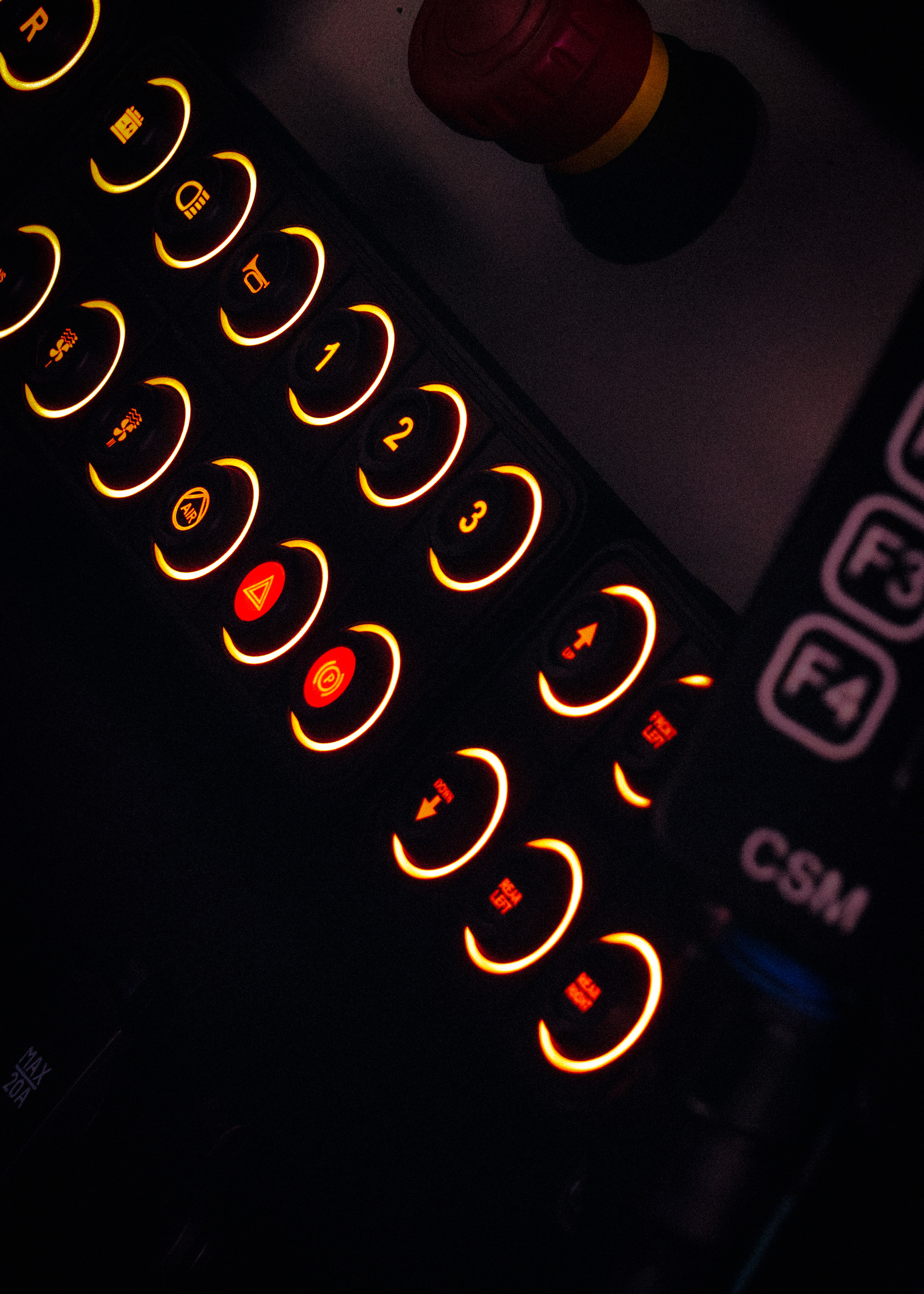
Autonomy is fully adaptable to mission requirements. The Pioneer can be driven manually, operated under crewed supervision or remotely – and is capable of fully independent operation, allowing the appropriate level of control for any environment or regulatory condition
06
Convoy and Cooperative Operation
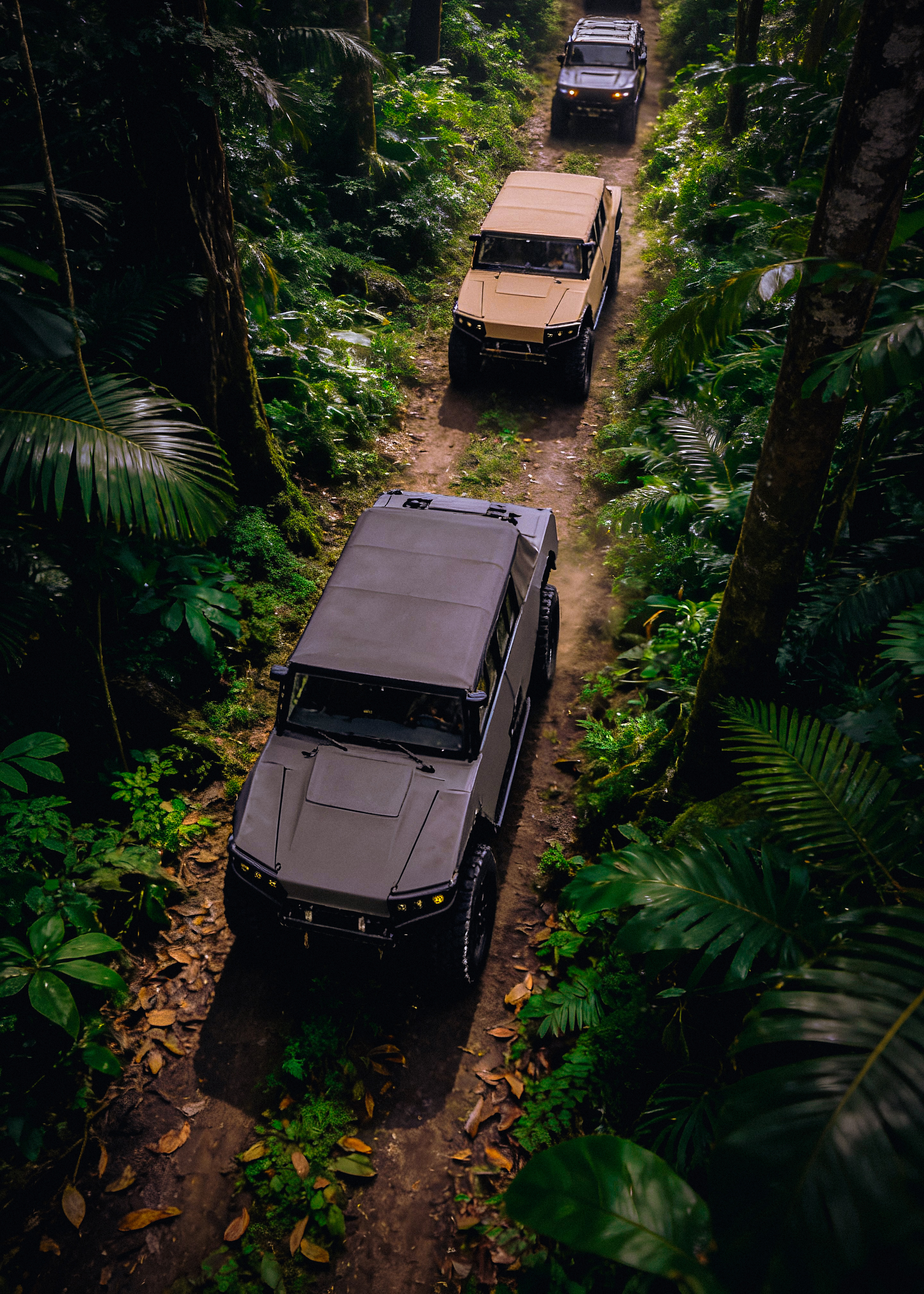
Talos-equipped vehicles can operate in tandem with crewed platforms as part of a coordinated convoy or in a support role. Autonomous systems maintain position, follow designated routes and adapt dynamically to the lead vehicle’s movement, reducing operator burden while enhancing mission safety and capabilities.
Technology
Platform Highlights
[Advanced Perception Systems]
Integrated multi-sensor perception provides continuous awareness of the vehicle’s surroundings. Cameras and onboard sensing systems detect terrain features, obstacles and environmental changes in real-time. Not only does this allow for safe navigation over unpredictable terrain, but onboard systems allow operators to remotely monitor all key internal indicators such as battery health, fuel levels, range, etc.
[Intelligent Path Planning]
Onboard processing continuously evaluates terrain conditions and identifies optimal routes based on safety, efficiency and vehicle capability. The system dynamically avoids obstacles, navigates around hazards and maintains forward progress without requiring operator input. This ensures reliable mobility in environments where predefined routes may not exist.
[Remote Operation Capability]
Fering Defence Canada’s vehicles can be monitored and controlled remotely when required, allowing operators to supervise or guide the vehicle from secure and even long-range distances. This capability is critical for missions in hazardous or inaccessible environments, reducing risk to personnel while maintaining full operational capability.